Chiaroscuro lighting, which comes from the Italian words “chiaro” for bright and “scuro” for dark, is an age-old artistic technique known for its play between light and shadow. First perfected by Renaissance masters, it brings depth and dimension to flat surfaces, creating mood and visual drama that immediately captures attention. Today, it’s widely used in influencing photography, film, and product design, where it can emphasize details and evoke powerful emotions. By carefully balancing light and dark, creators can highlight textures and make images feel almost three-dimensional.
In this blog, you’ll see how light and shadow can elevate your product presentation, why chiaroscuro photography still matters today, and how to use it to create striking, memorable visuals.
| Summary: Chiaroscuro photography and lighting use the contrast of light and shadow to bring depth, texture, and dimensionality to products. This technique highlights key features, enhances visual clarity across digital platforms, and helps brands create a premium, engaging presence that instantly captures attention. |
The Principles of Light and Shadow in Design
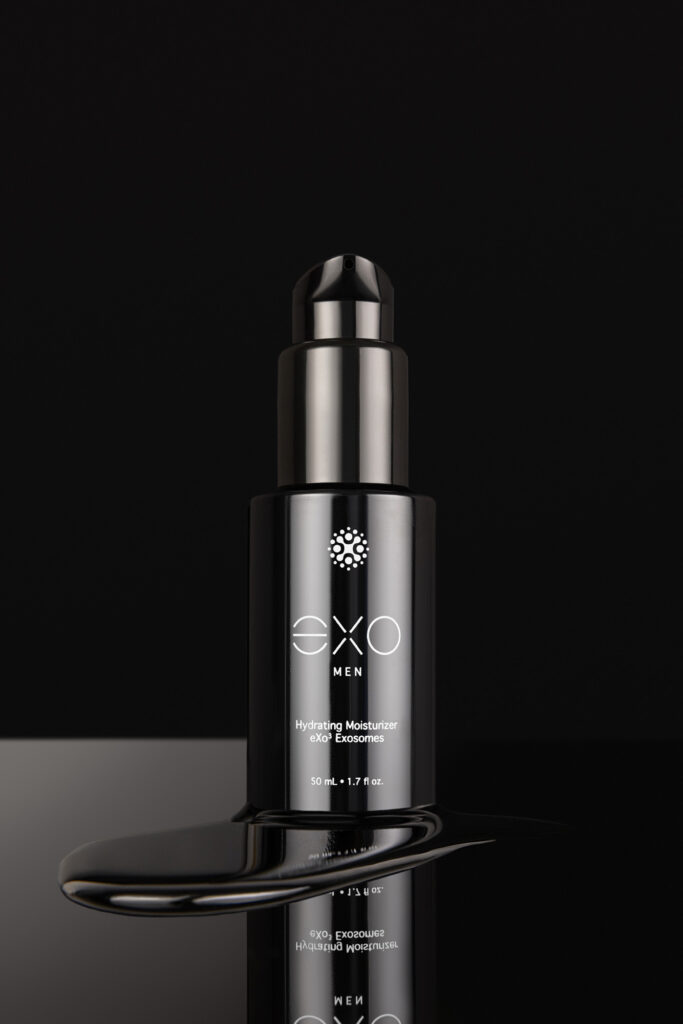
Chiaroscuro lighting uses an intense, directional light to create a distinct separation between illuminated areas and shadows. This contrast defines a product’s shape, revealing curves, edges, and surface contours, which makes even simple forms appear three-dimensional and intentional. By emphasizing material details, like polished metal, textured fabric, ceramic, or glass, deep shadows add solidity while controlled highlights communicate texture and quality. Unlike flat, even lighting, chiaroscuro removes visual clutter and allows the product’s design to take center stage, giving images a clean, sculpted, and premium appearance.
What makes chiaroscuro especially valuable in modern product photography design is its ability to bring out material details with clarity. Deep shadows make objects feel grounded and solid, and small, controlled highlights reveal the true character of the surface, polished metal, textured fabric, ceramic, or glass. Instead of overwhelming the viewer with flat, even lighting, chiaroscuro removes visual clutter and allows the design itself to take center stage. It gives products a clean, sculpted appearance that feels premium, authentic, and easy to understand at a glance.
Why Chiaroscuro Matters in Modern Product Presentation
Brings Out Product Depth and Dimension
Chiaroscuro, with its strong play of light and shadow, makes products feel more three-dimensional and tangible. This is especially important online, where shoppers can’t physically touch items, seeing depth and form helps them better understand what they’re looking at and imagine it in real life.
Improves Legibility Across Digital Platforms
In e-commerce, products appear on screens with different brightness, resolutions, and color settings. Chiaroscuro lighting helps overcome these variations by guiding the viewer’s eye toward the illuminated areas and minimizing distractions around the edges. The controlled shadowing reveals geometry in a more accurate, three-dimensional way than flat lighting. Luxury brands use this technique because it accentuates textures and raises the on-screen presence of their products.
Shows Materials in Their True Light
Chiaroscuro uses high-contrast lighting to control how materials are perceived, accurately highlighting their reflective and textured qualities. This technique is widely used in luxury branding, jewelry, fragrances, and electronics, to convey elegance and quality. Metals, glass, and leather catch light with dramatic clarity, while fabrics and leather reveal texture and grain. Such precise lighting ensures product images are truthful and detailed, which helps buyers trust that what they see reflects the real item.
Techniques to Apply Chiaroscuro in Product Lighting
Below are the techniques used by professional photographers, CGI artists, and industrial designers:
1. Use a Dominant Key Light for Structural Definition
Start with a single directional key light positioned at a 30–60° angle. This replicates renaissance side lighting and produces natural gradations that reveal surface curvature. Avoid flat, multi-source setups at the beginning; layer additional lights only after form is clearly sculpted.
2. Control Shadow Density With Flags and Negative Fill
Shadows in chiaroscuro are not accidental; they are engineered. Use black flags, foam boards, or barn doors to absorb stray light and deepen specific shadow regions. Negative fill is especially effective for products with shiny or rounded surfaces, as it prevents light from washing out edges.
3. Introduce a Subtle Rim Light to Separate the Form
A faint back or rim light gives the product a halo-like edge, preventing it from blending into the background. This echoes the Renaissance practice of letting figures “emerge from darkness.” In product imagery, rim lighting is critical for matte products or monochrome layouts where contrast is low.
4. Sculpt Texture With Small, Focused Highlights
Micro-specular highlights reveal material properties, leather grain, brushed aluminum strokes, glass curvature, or ceramic glaze. Using smaller light sources or grids helps produce crisp highlights that communicate texture more accurately than broad soft boxes.
5. Build Atmospheric Depth With Graduated Background Lighting
Creating a gradient behind the product enhances depth perception and adds structure to the frame. This draws attention to the foreground while echoing the chiaroscuro tradition of fading backgrounds. For darker scenes, use a subtle spotlight on the backdrop to create a “visual anchor.”
6. Use Controlled Fill for Naturalistic Volume
After establishing strong shadows, introduce controlled fill light to prevent details from disappearing completely. Low-intensity bounce light keeps the chiaroscuro look intact while ensuring the product remains fully legible, essential for e-commerce and catalog imaging.
7. Apply Chiaroscuro Principles in CGI and 3D Renders
In digital product visualization, the chiaroscuro technique is applied through methods such as:
- Directional HDRIs help create a strong main light source, which forms clear highlights and shadows and makes the product look more shaped and realistic.
- Physically based materials react to light naturally, so the shadows, reflections, and surface details look true to real-world lighting.
- Dynamic range mapping keeps both bright spots and dark areas visible, preventing the image from losing important detail.
- Global illumination settings can be refined so the light bounces around the scene in a natural way, making the shadows softer and the overall image more believable.
Conclusion
By now, you’ve seen how chiaroscuro lighting highlights product visuals, emphasizing form, texture, and detail to create images that instantly engage viewers. This makes it essential to use professional techniques to give your products a strong, market-ready presence. At Elena Vels Studio, we use refined chiaroscuro lighting to shape depth, elevate texture, and give every product a strong visual presence, exactly what today’s competitive digital market demands. This thoughtful approach helps your images feel premium, intentional, and impossible to scroll past. When you’re ready to showcase your products at their absolute best, book your next shoot with us to create imagery that expands your reach and strengthens your brand.